BLOG
Ideas for every
window in the house.
Practical guides on choosing, measuring, and living with Zebra Blinds, Roller Blinds, and Motorized Blinds.
Zebra Blinds and Roller Blinds are our two most requested products, and they often get shortlisted together — which makes sense, since both give a clean, modern finish and both come in a wide range of fabrics. The difference comes down to how you want to control light through the day.
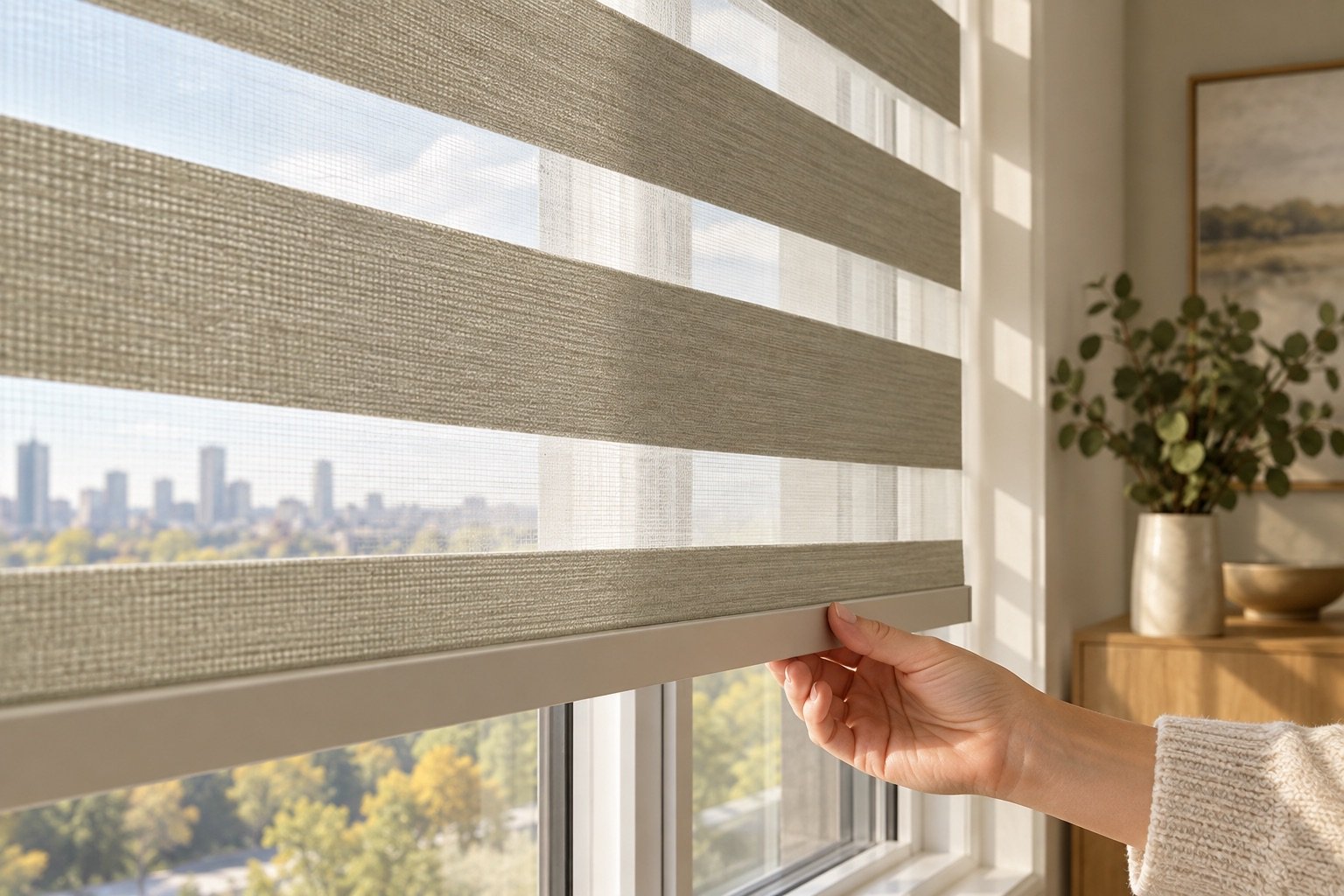
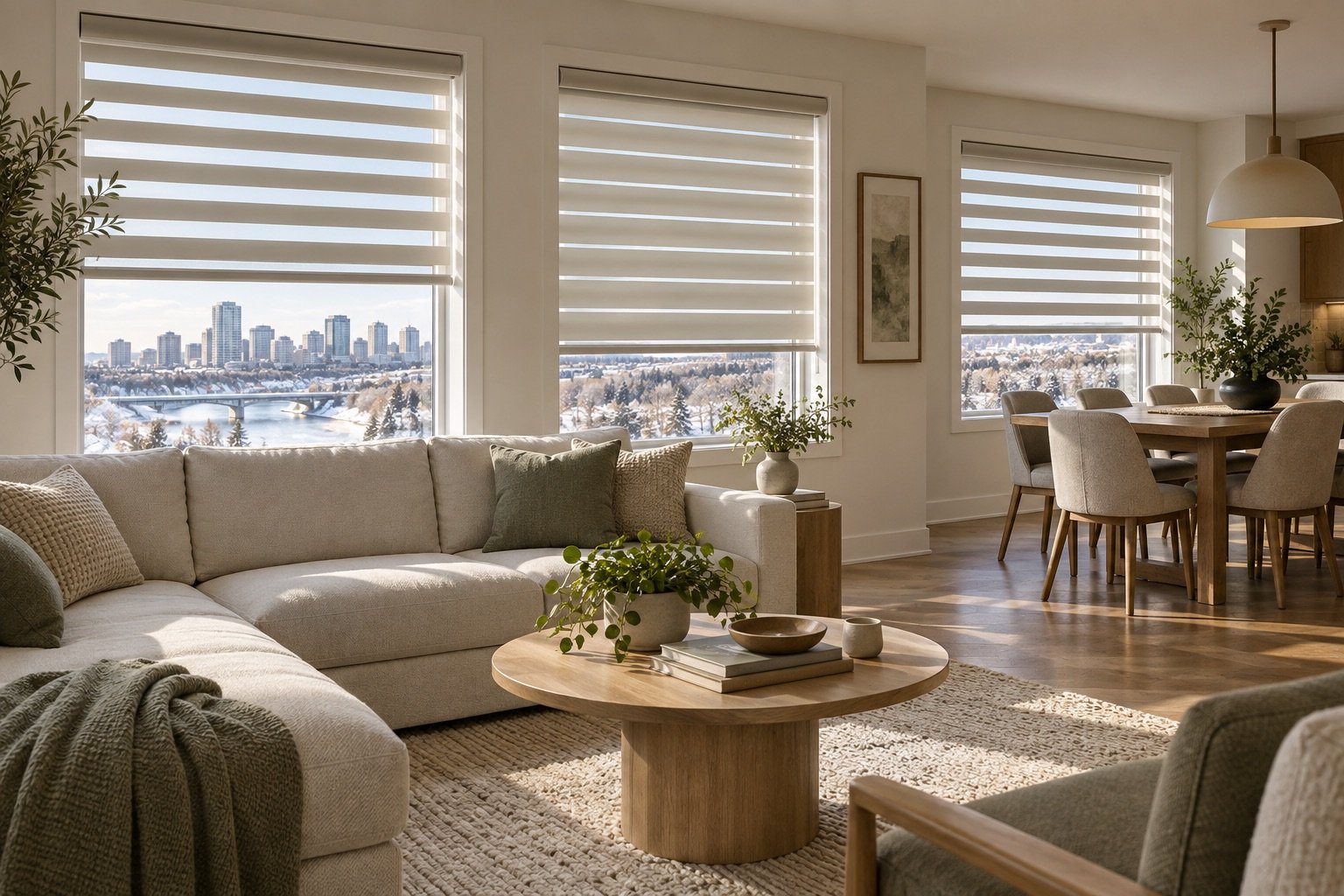
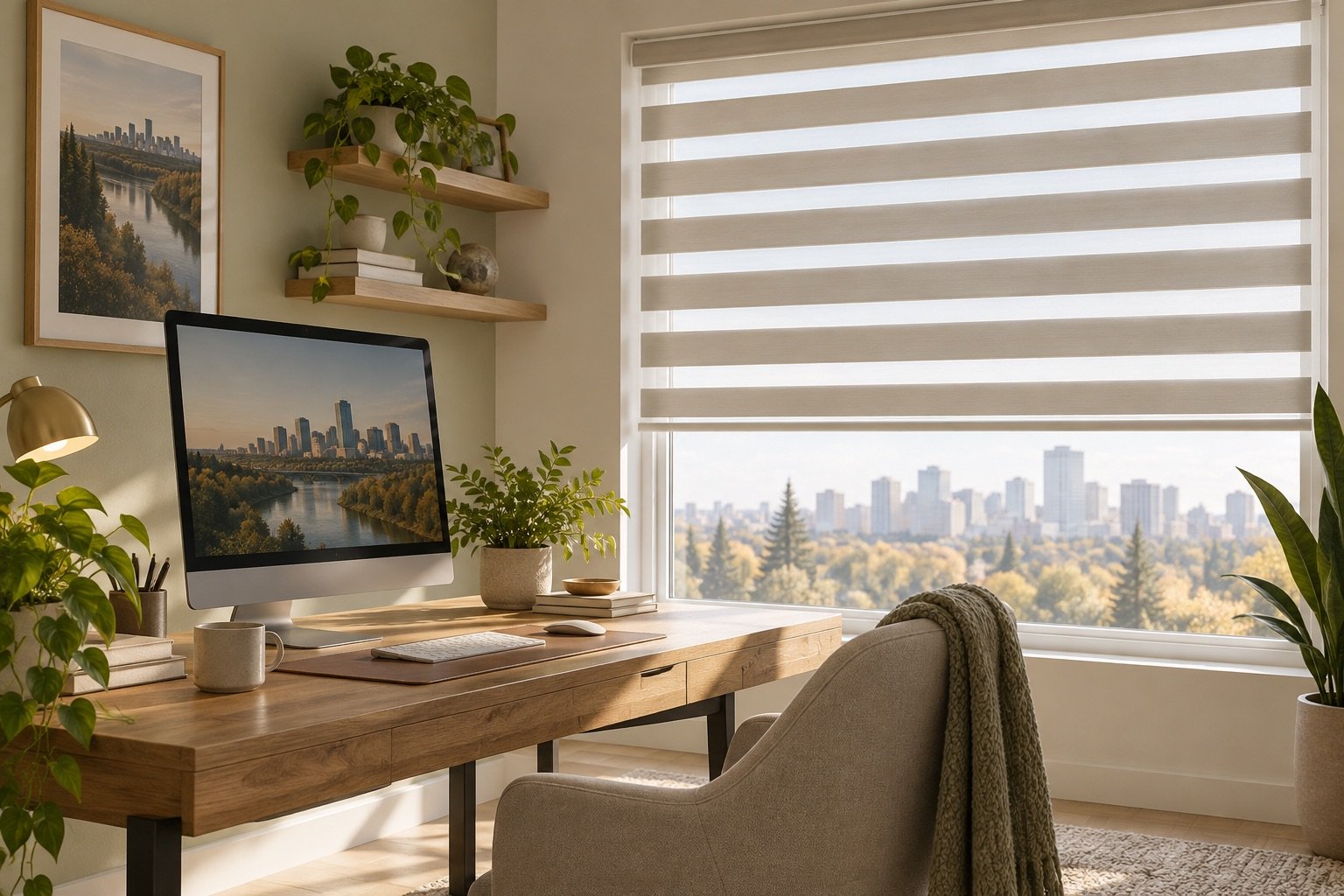
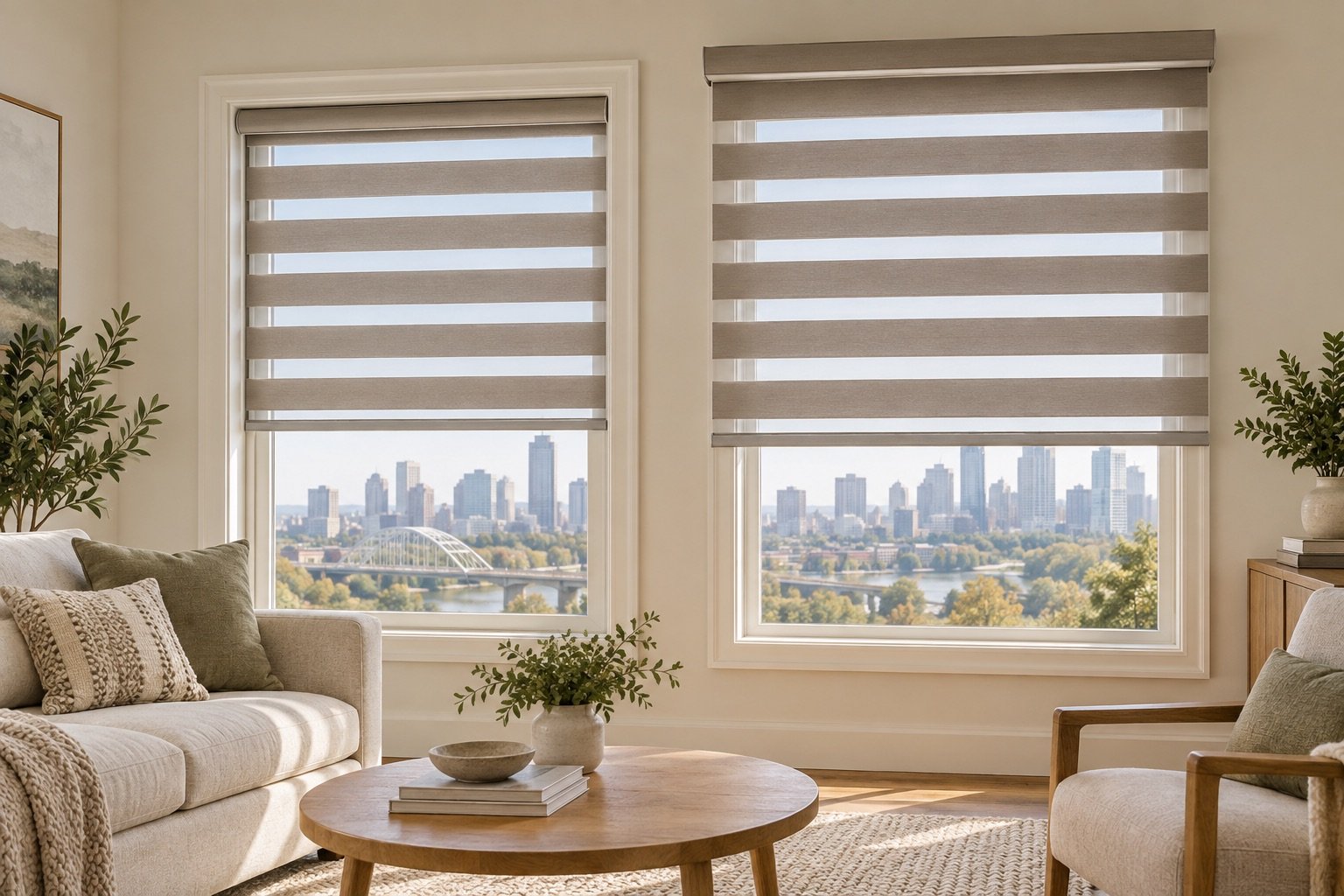
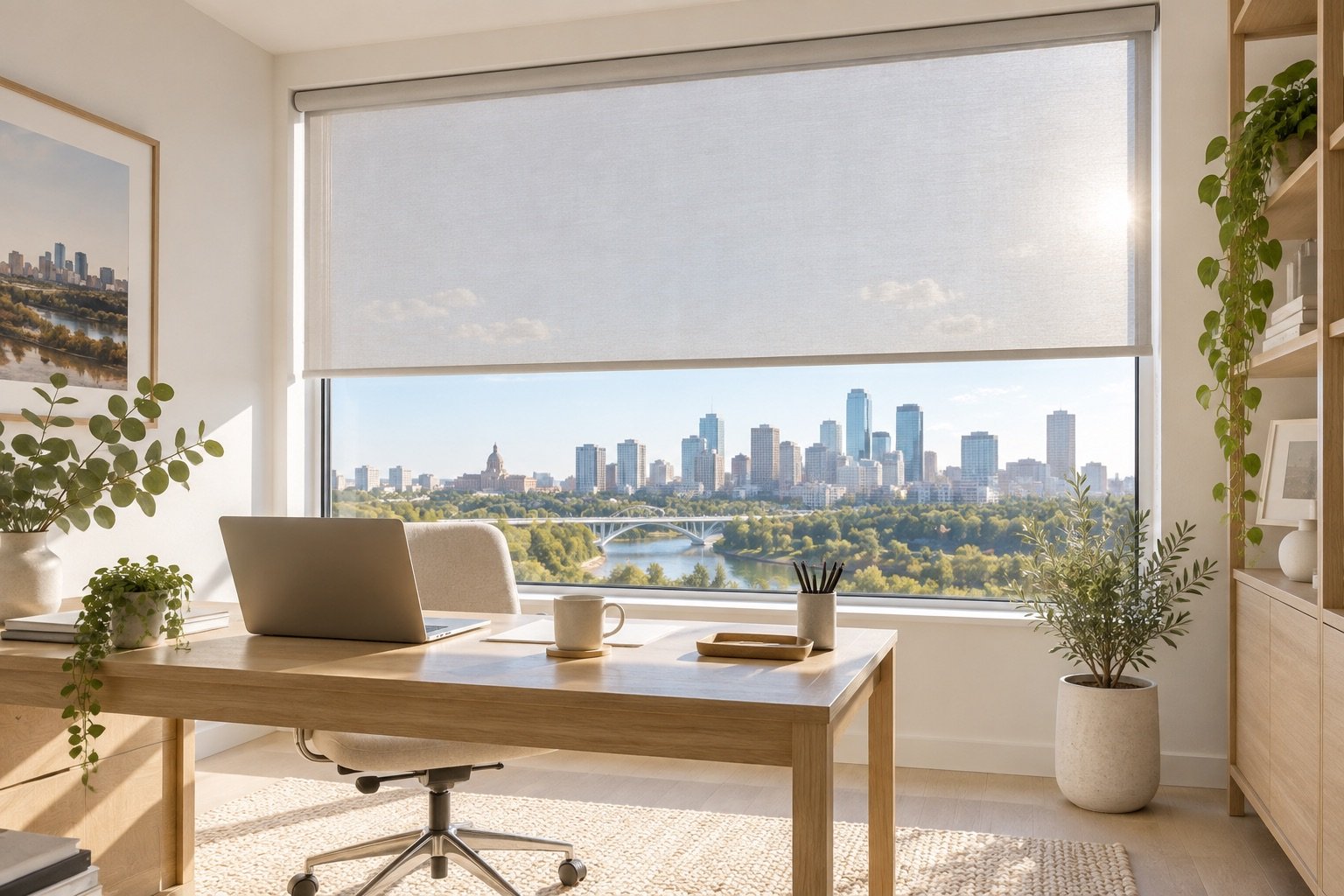
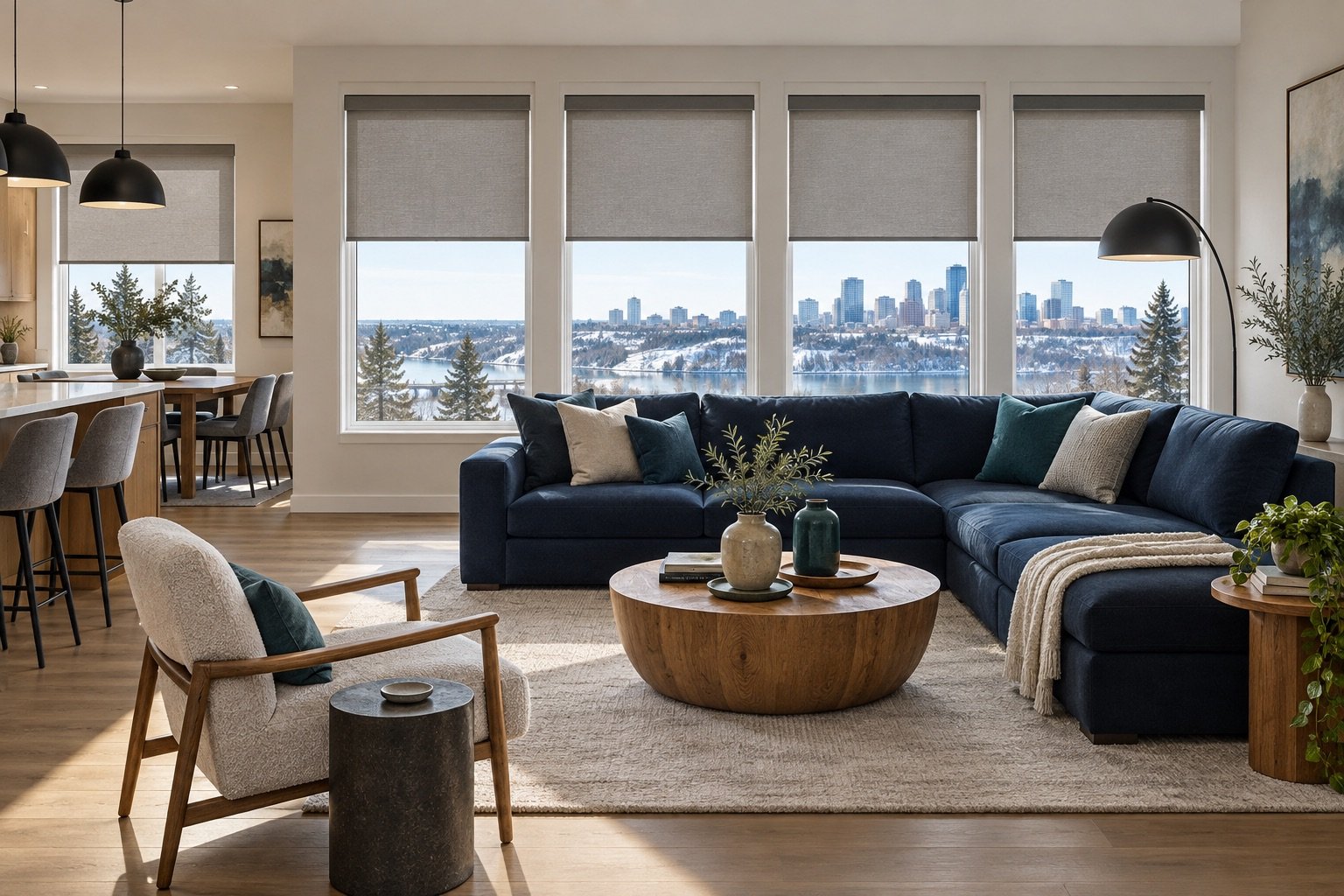
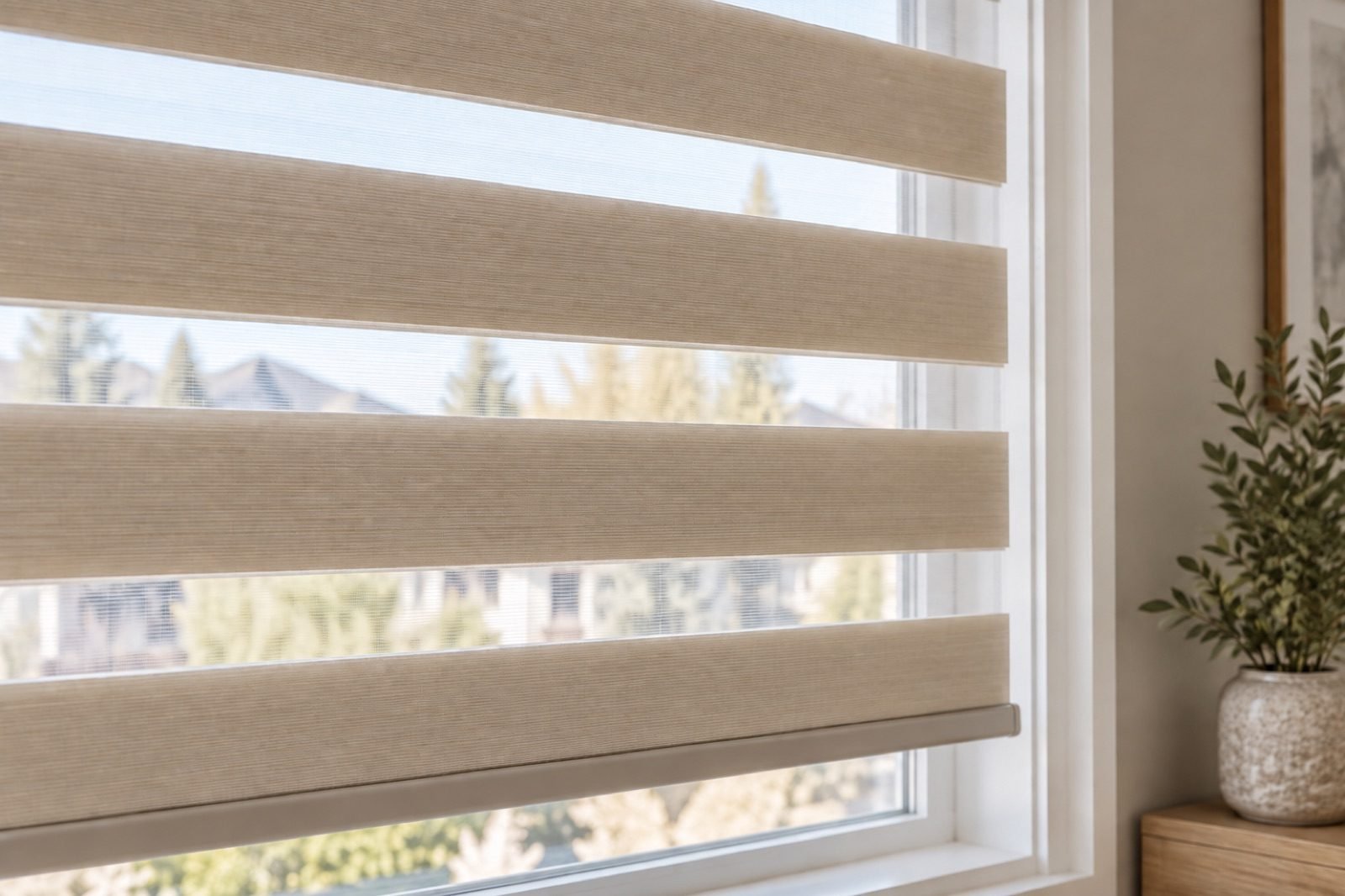
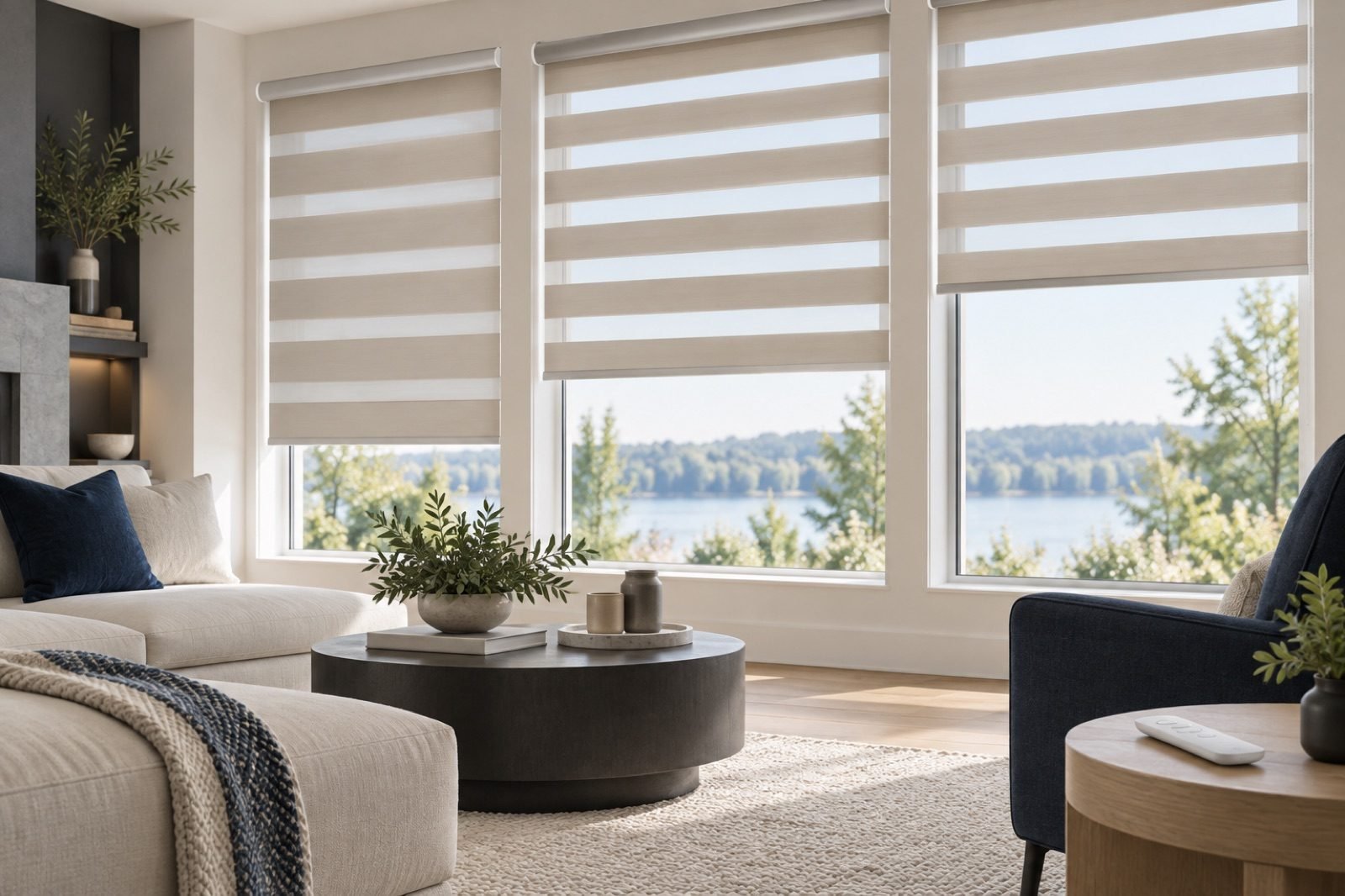
Zebra Blinds use alternating bands of sheer and solid fabric on a single shade. Slide the bands to align them for filtered daylight, or overlap them for more privacy, all without raising or lowering the blind. That adjustability is the main draw: you can fine-tune the room's light level throughout the day without ever fully opening or closing the window.
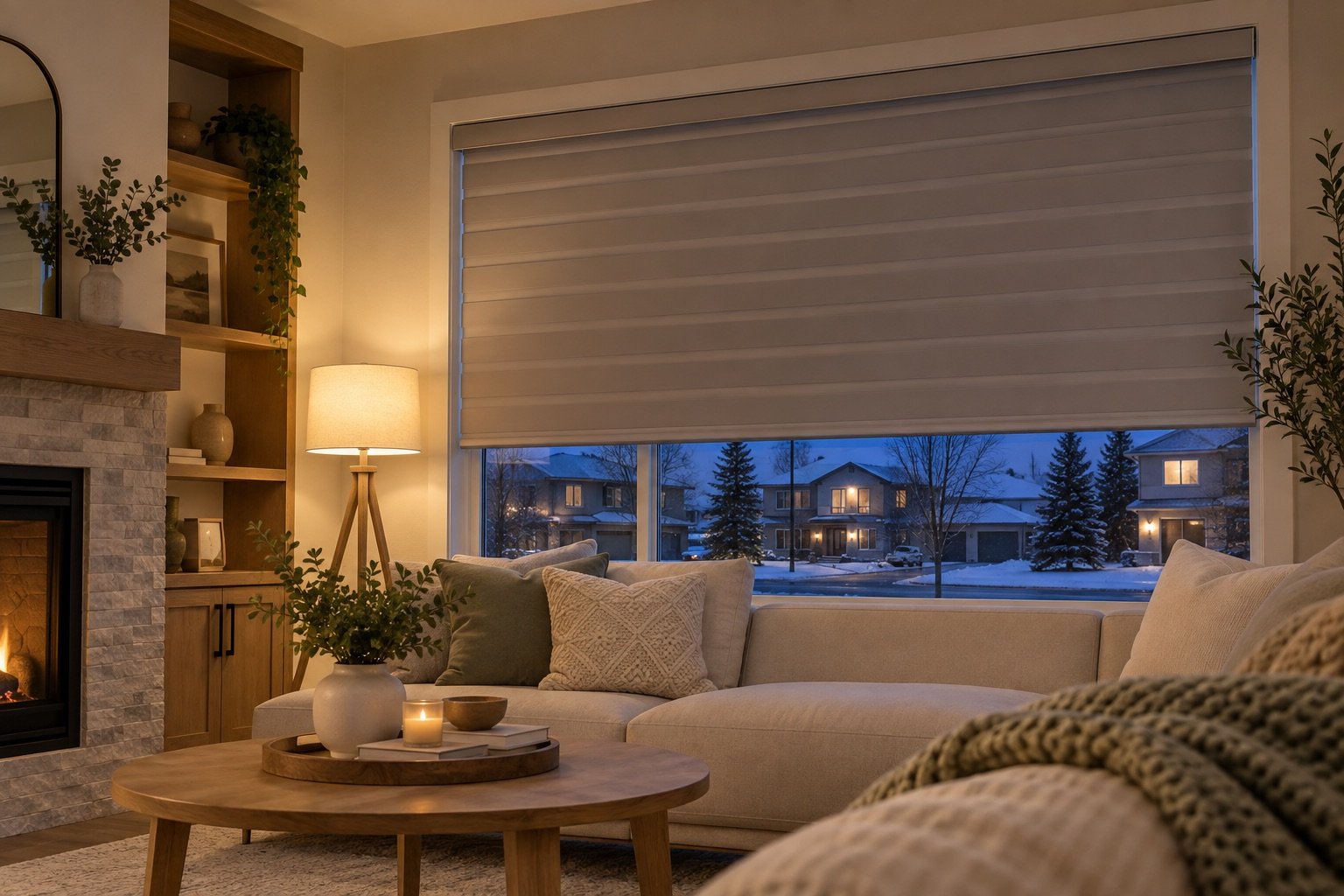
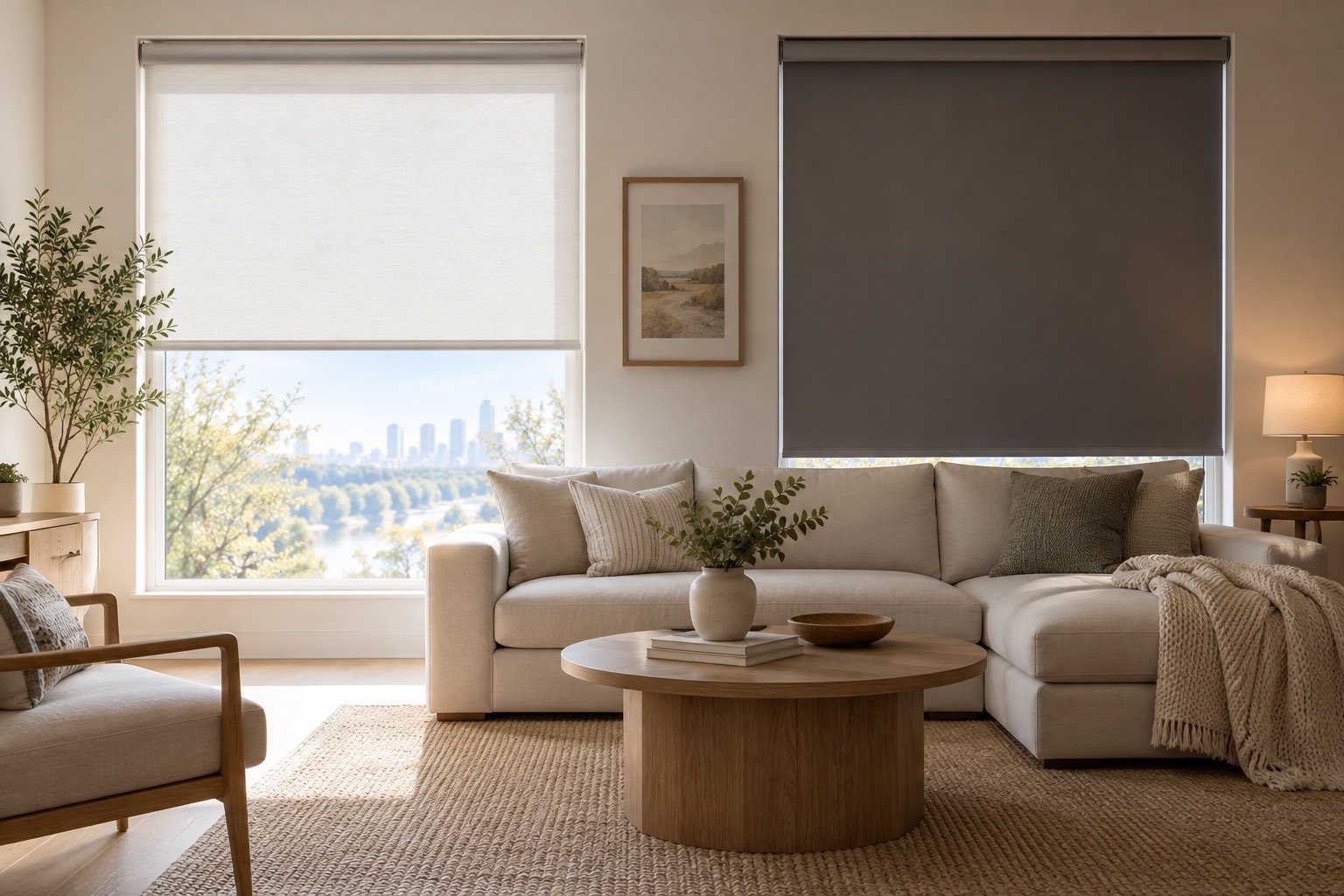
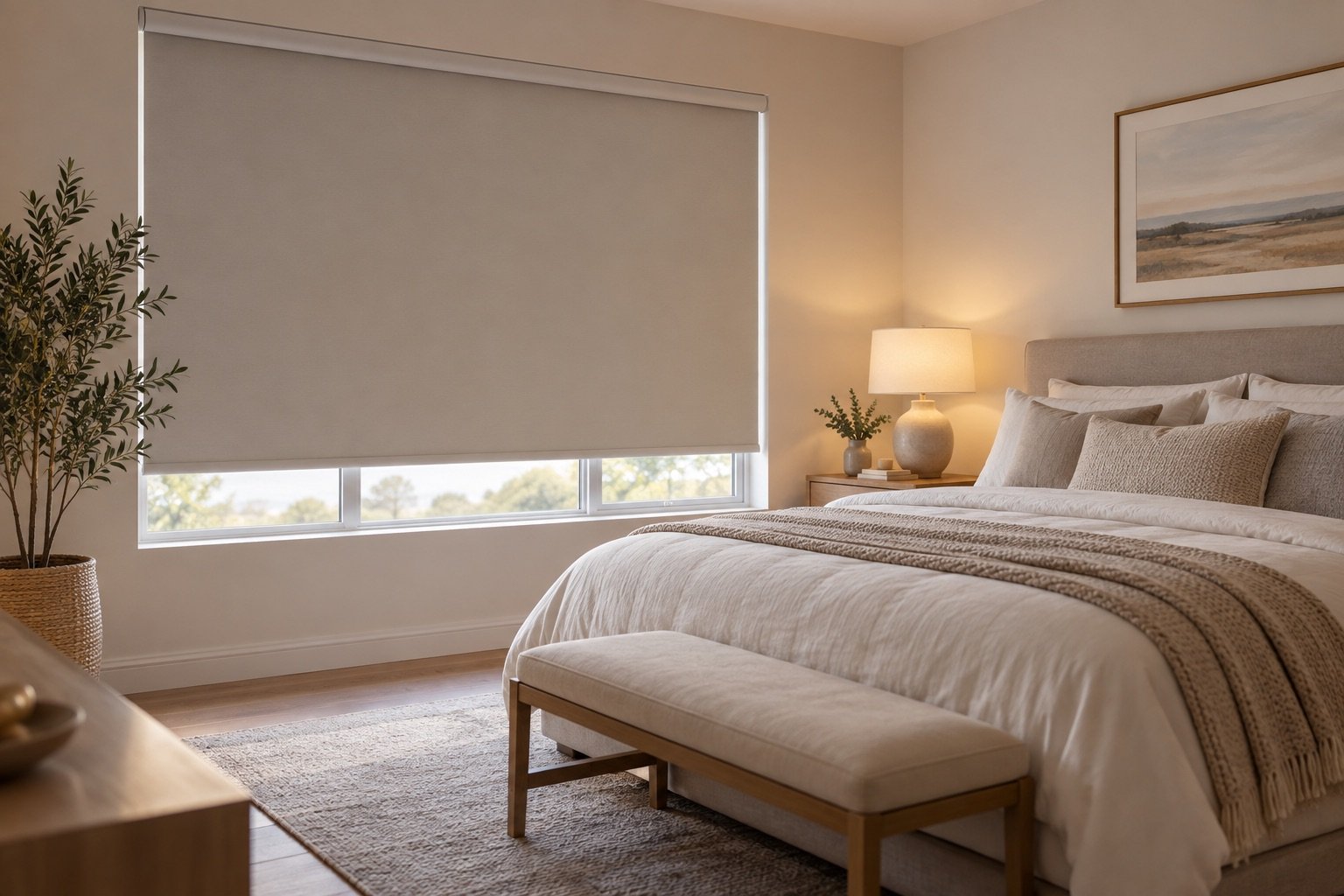
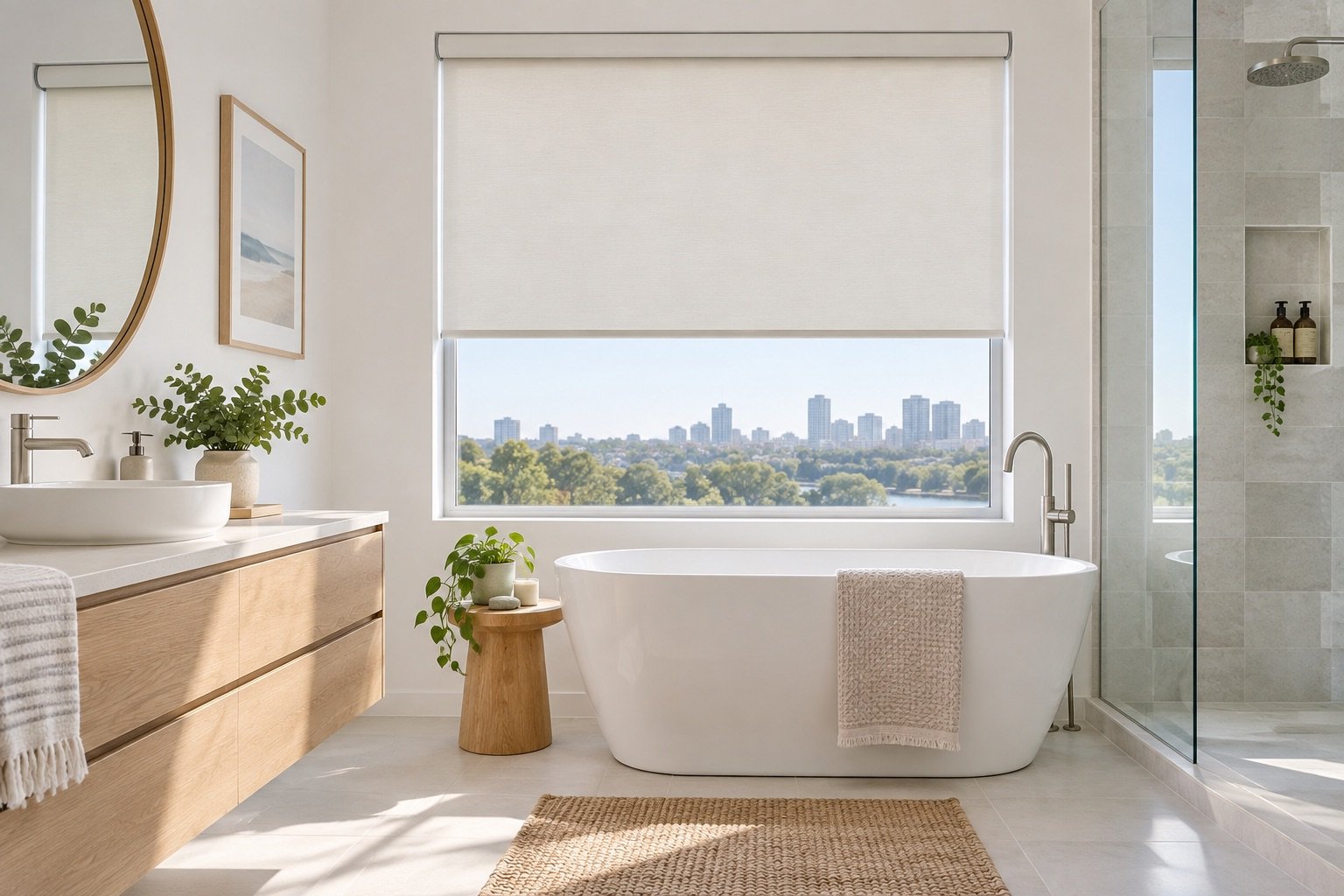
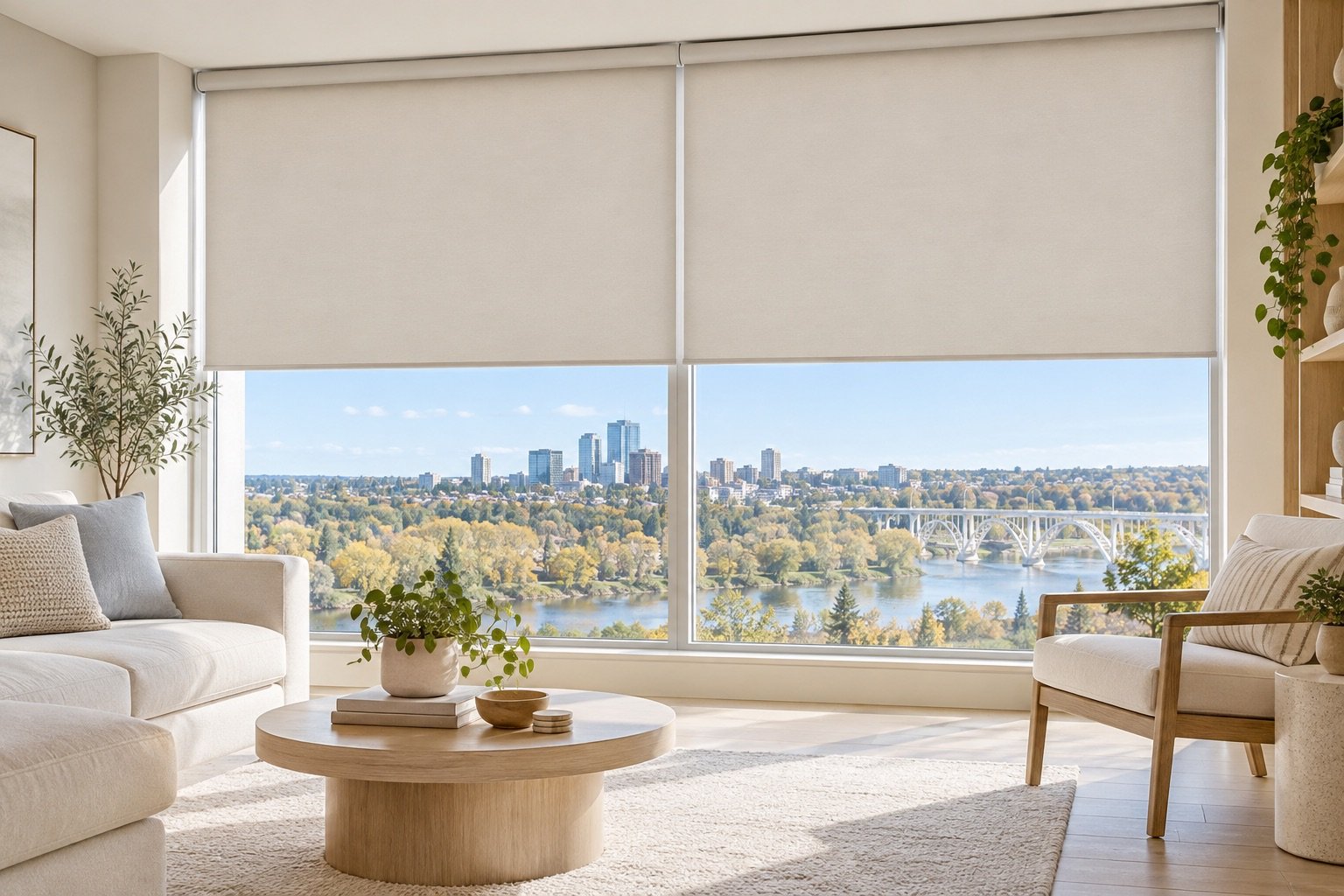
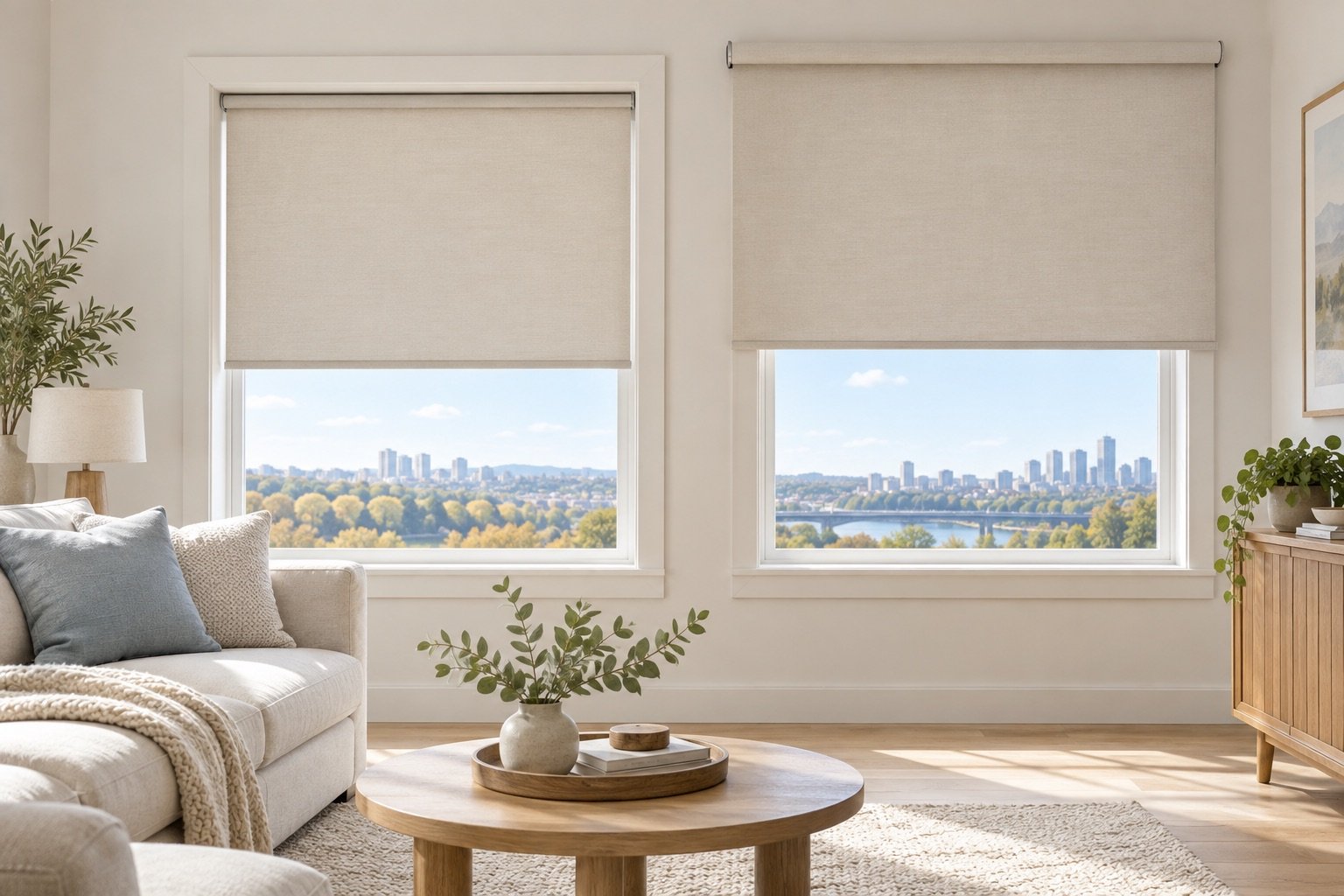
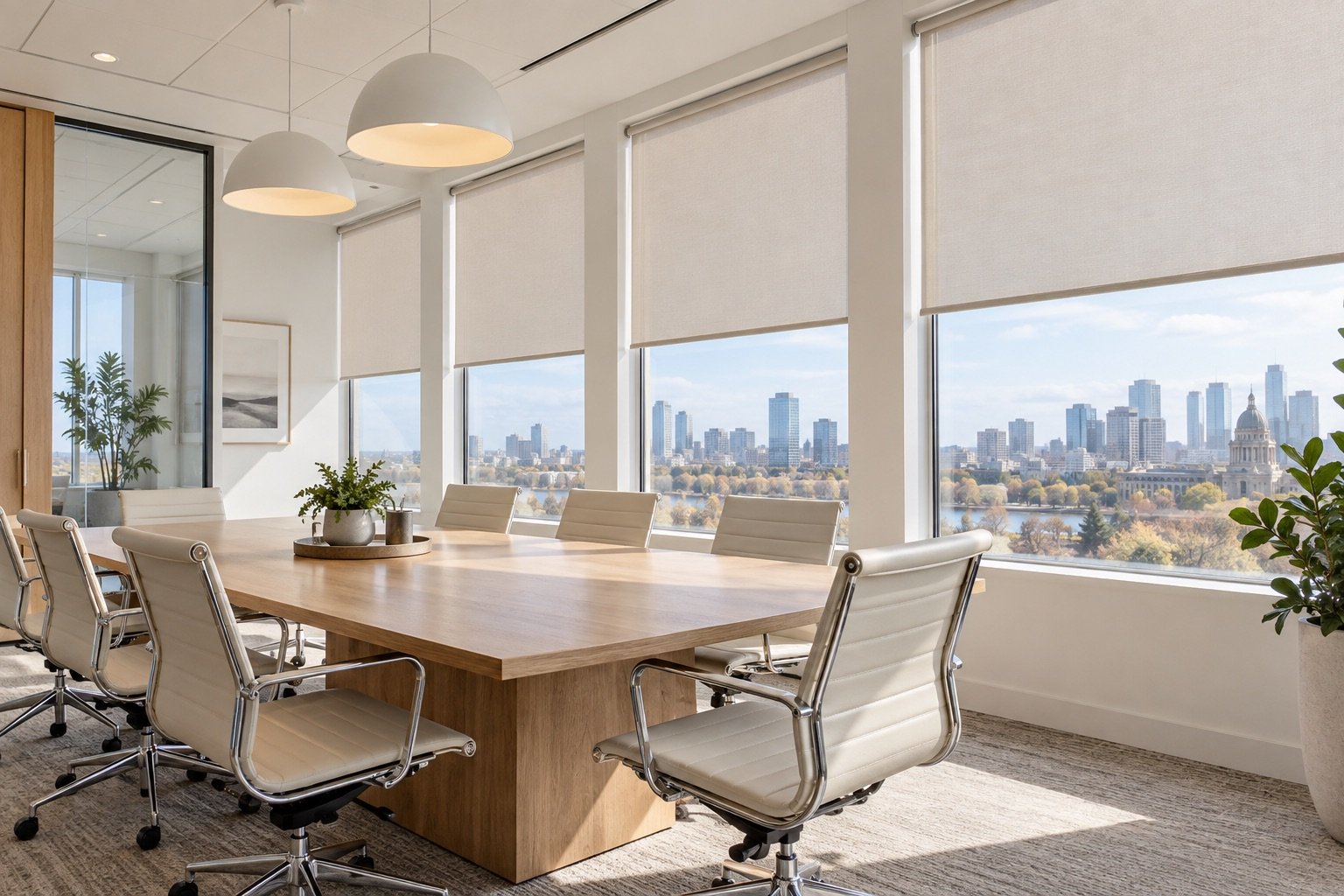
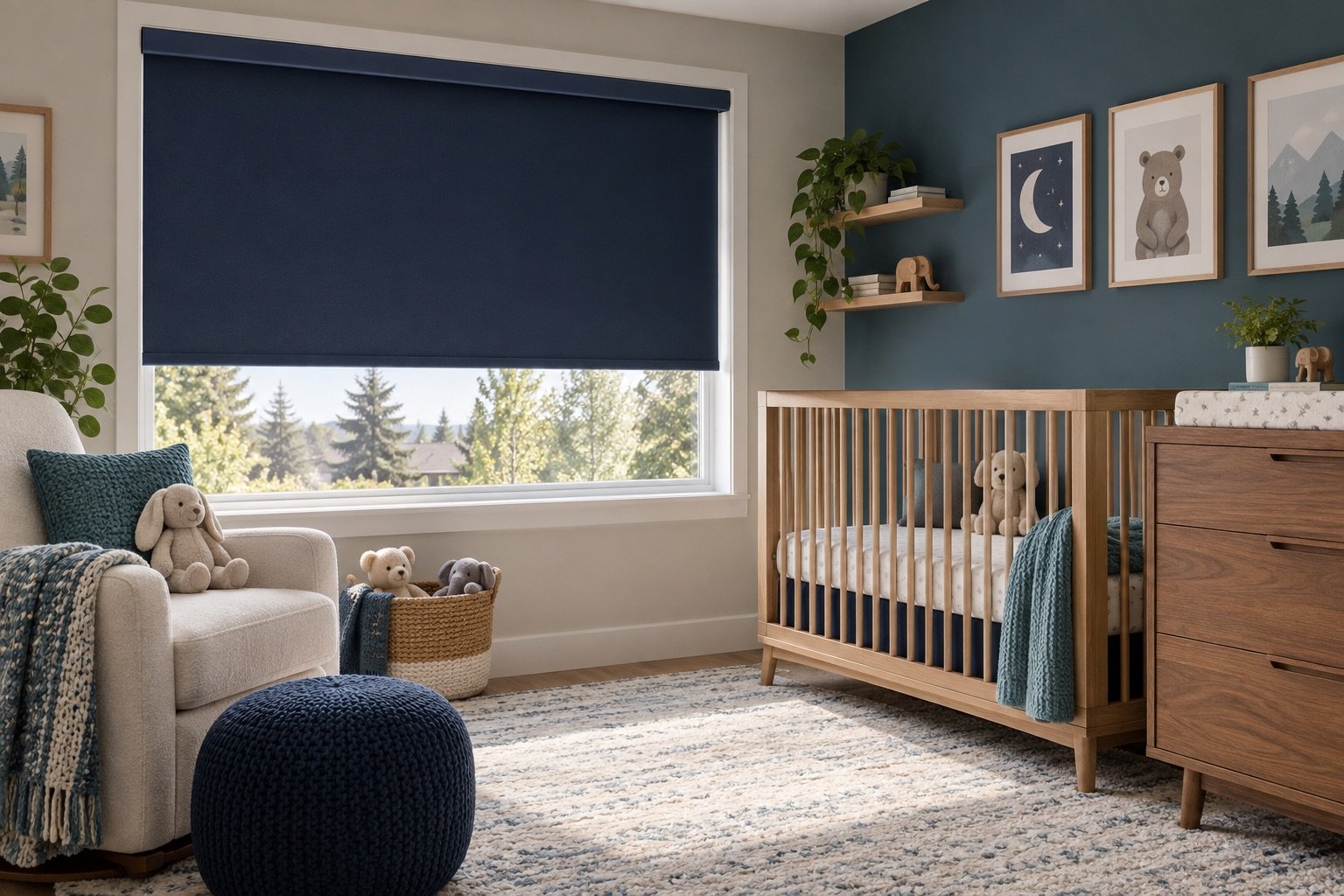
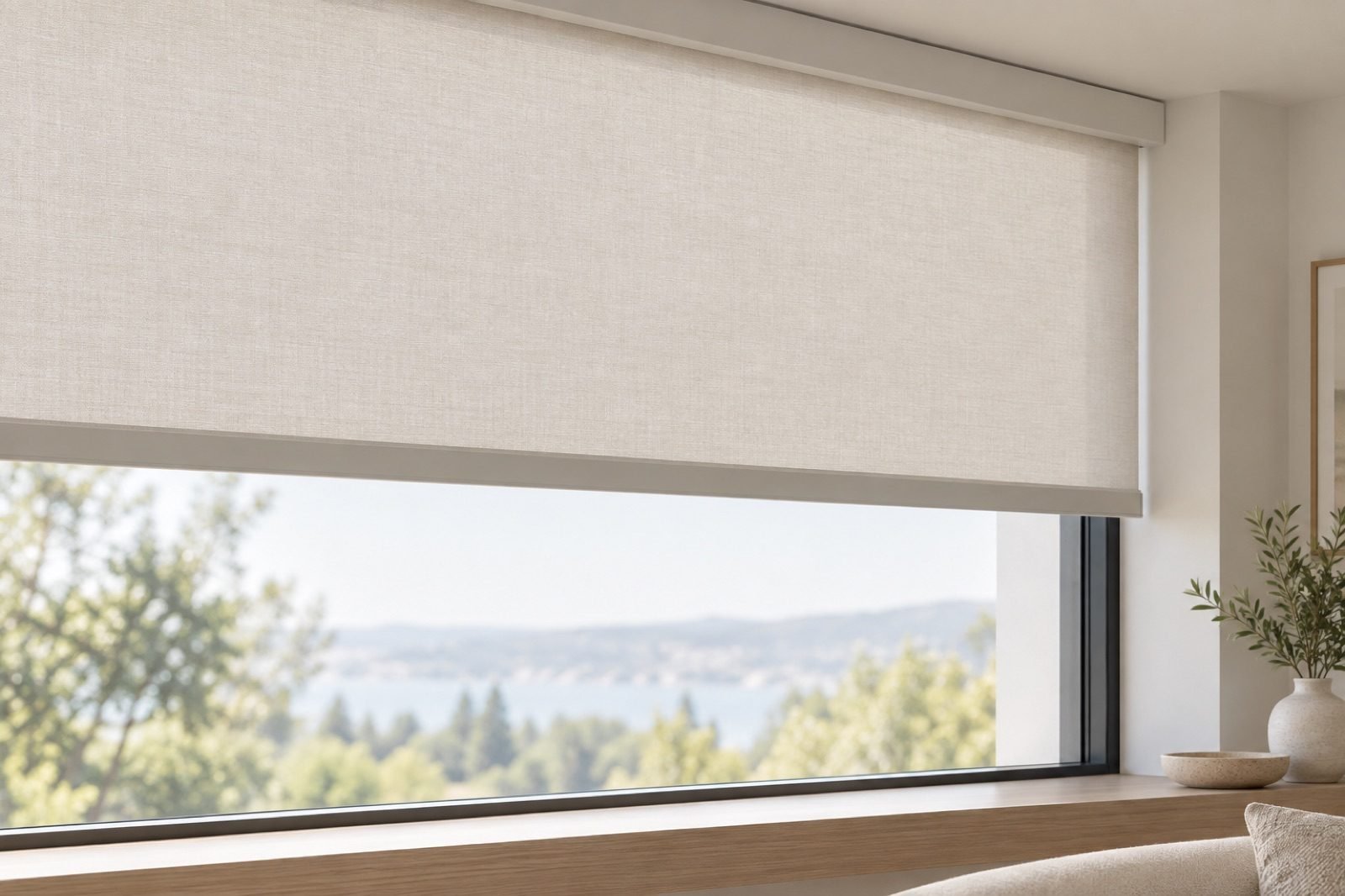
Roller Blinds use a single fabric panel that simply rolls up or down. There's less in-between adjustment, but the fabric choice does more of the work — light-filtering fabric softens daylight, while a room-darkening or blackout fabric blocks most of it. Roller Blinds also tend to suit larger or wider windows especially well, since a single flat panel reads cleanly across a big span of glass.
As a rule of thumb: choose Zebra Blinds for rooms where your light and privacy needs change throughout the day — living rooms, home offices, street-facing windows. Choose Roller Blinds for rooms where you mostly want one of two states, bright or dark — bedrooms, media rooms, kitchens. If you're still not sure, tell us about the room and we'll help you decide.
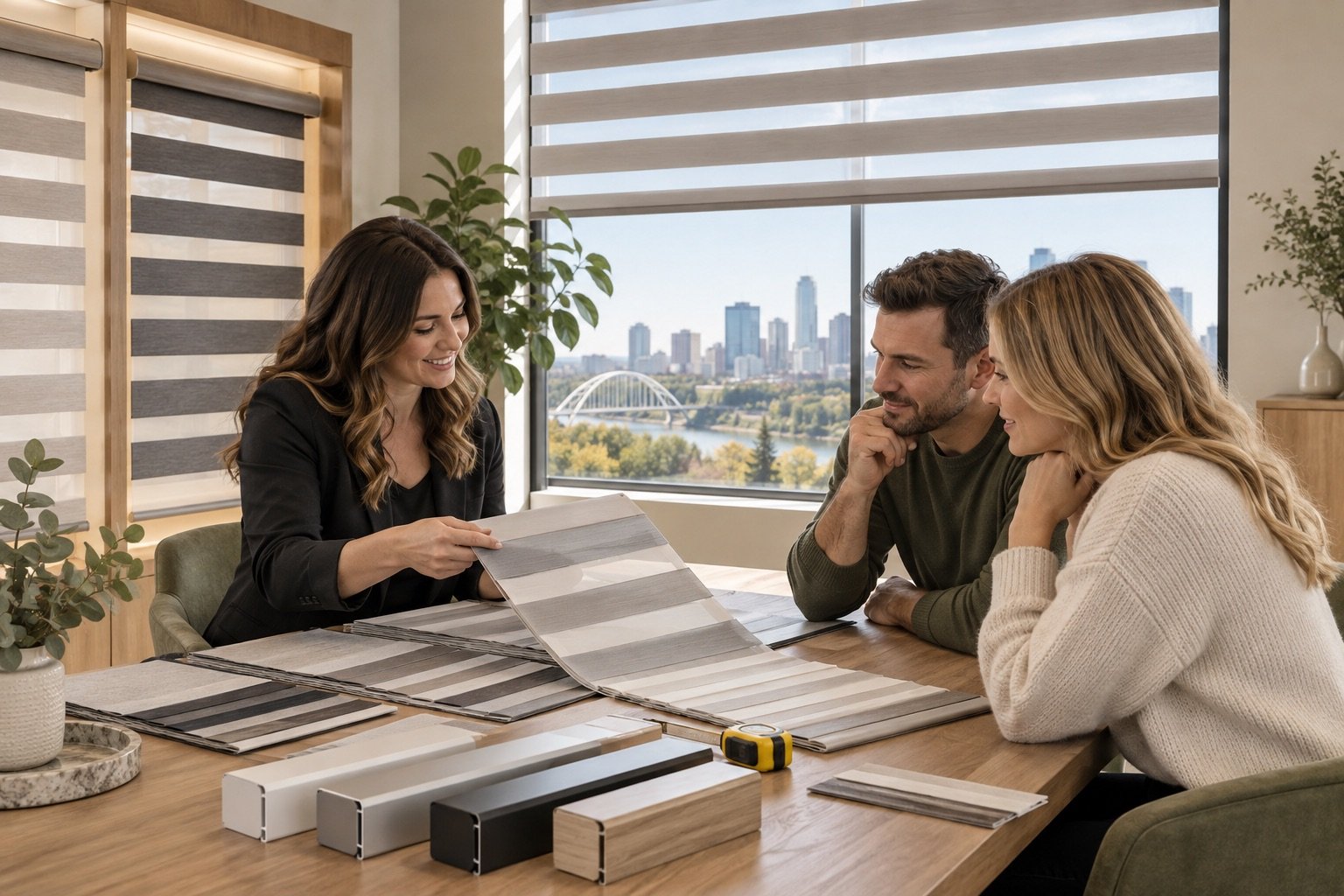
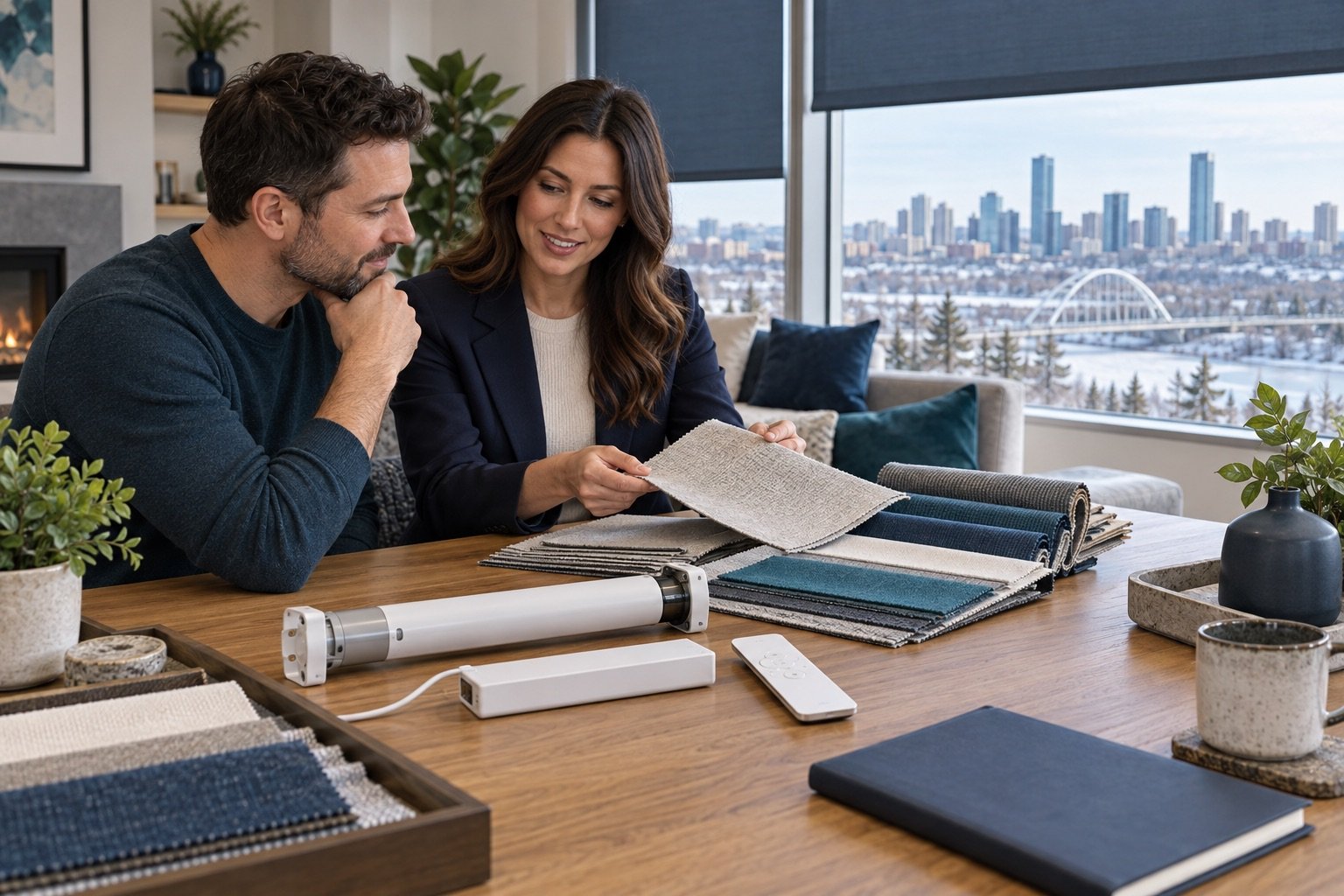
You don't need to measure your own windows before ordering — our team handles that as part of the in-home consultation — but knowing what we're checking helps you prepare for the visit and understand your quote.
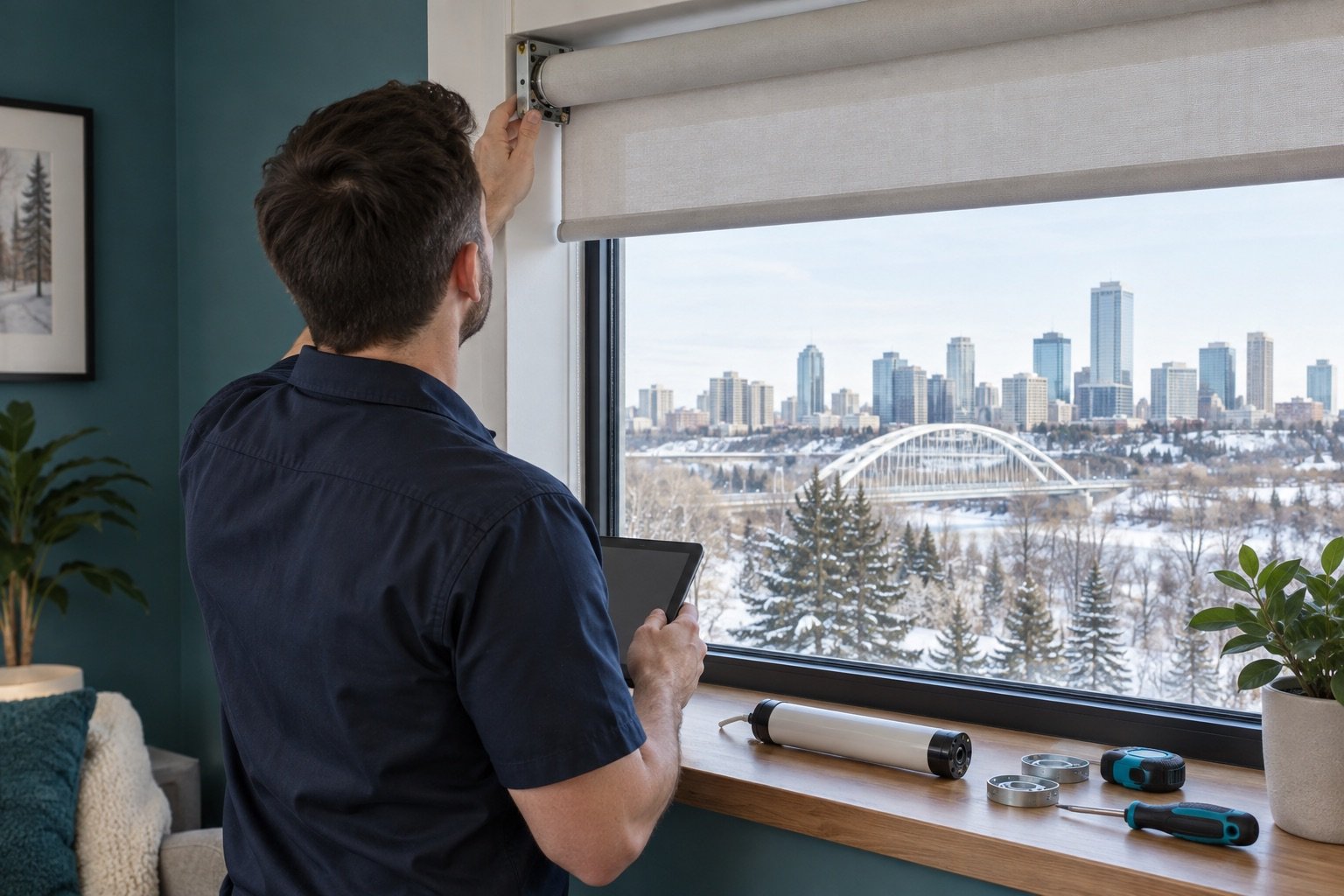
We measure width at three points (top, middle, bottom) and height at three points (left, middle, right), because most window frames aren't perfectly square. We use the smallest width and account for the mount type — inside-mount blinds sit within the window recess, while outside-mount blinds cover the frame and extend beyond it, which changes how much fabric is needed and how much the blind will block light around the edges.
We also check depth for inside-mount installations, since some frames aren't deep enough to fit certain hardware, and we note anything nearby that could affect the operating method — a nearby door swing, a radiator, or furniture placement — since that can steer whether a cordless, chain, or motorized option works best.
The short version: have your window sizes roughly in mind if you're getting a phone quote, but leave the final numbers to us — a professional measurement is what keeps the installation clean and the blind operating smoothly for years.
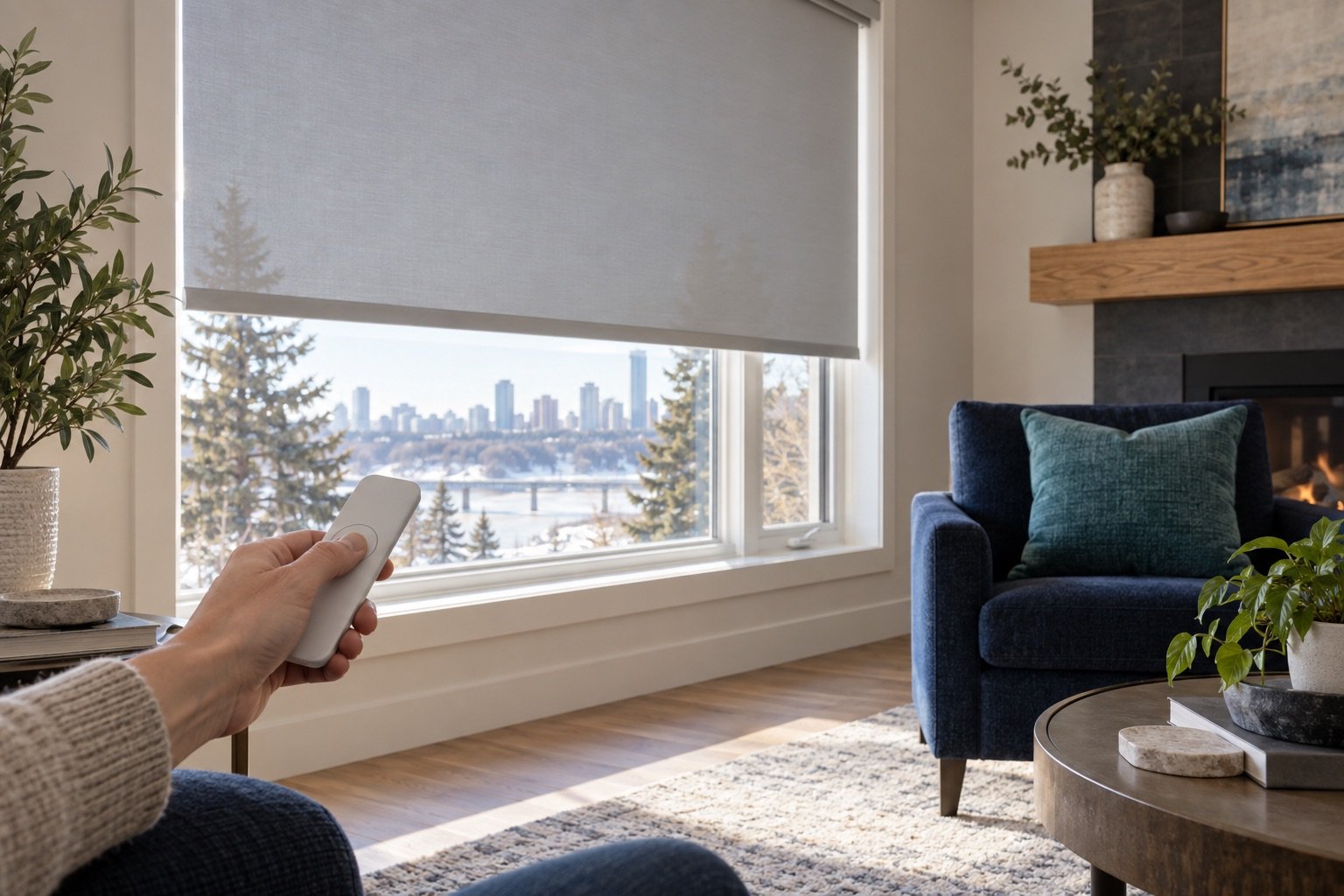
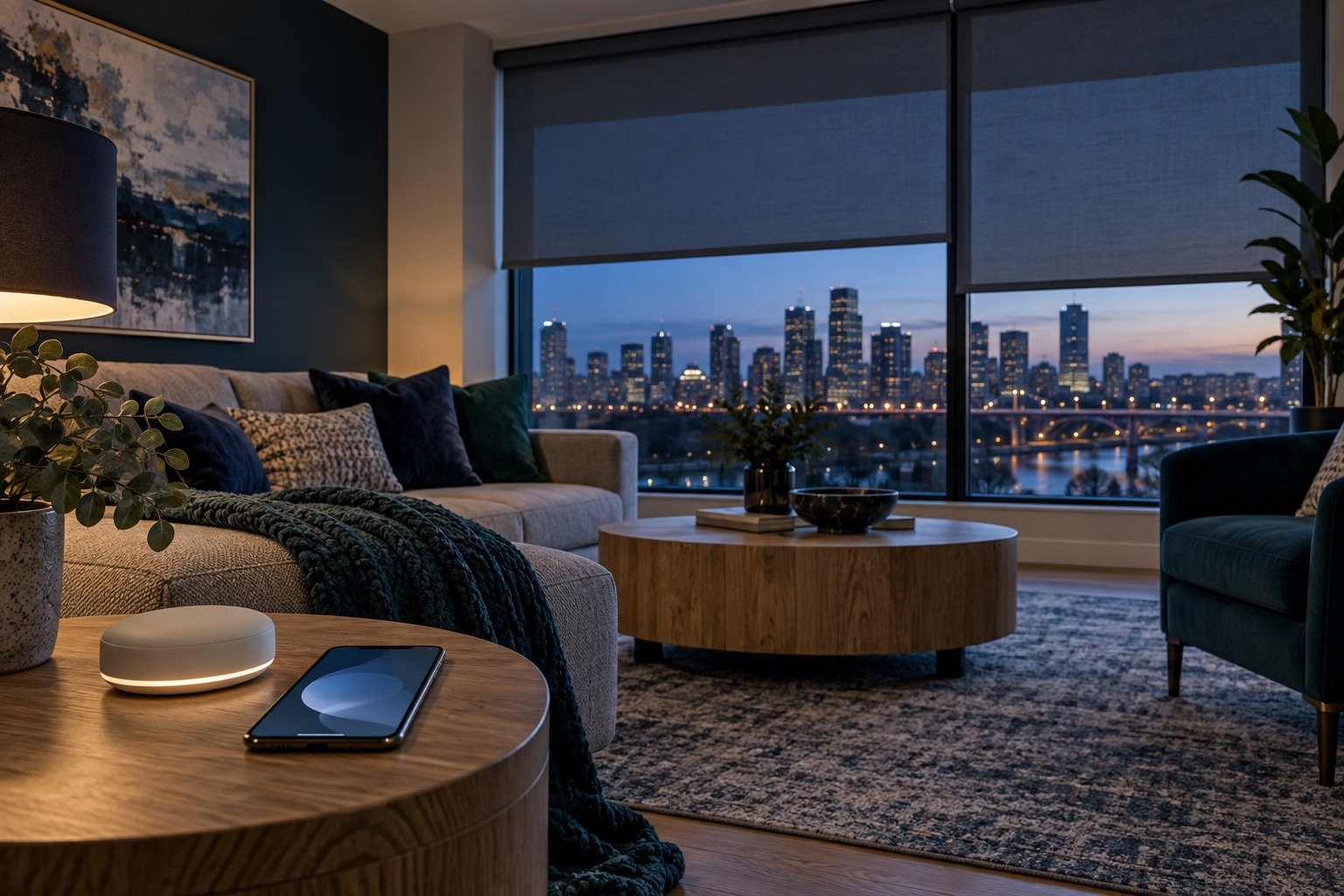
Motorization is the upgrade customers ask the most questions about, because it's the one that costs more upfront without an obvious visual difference in the showroom. The value shows up in daily use rather than in how the blind looks.
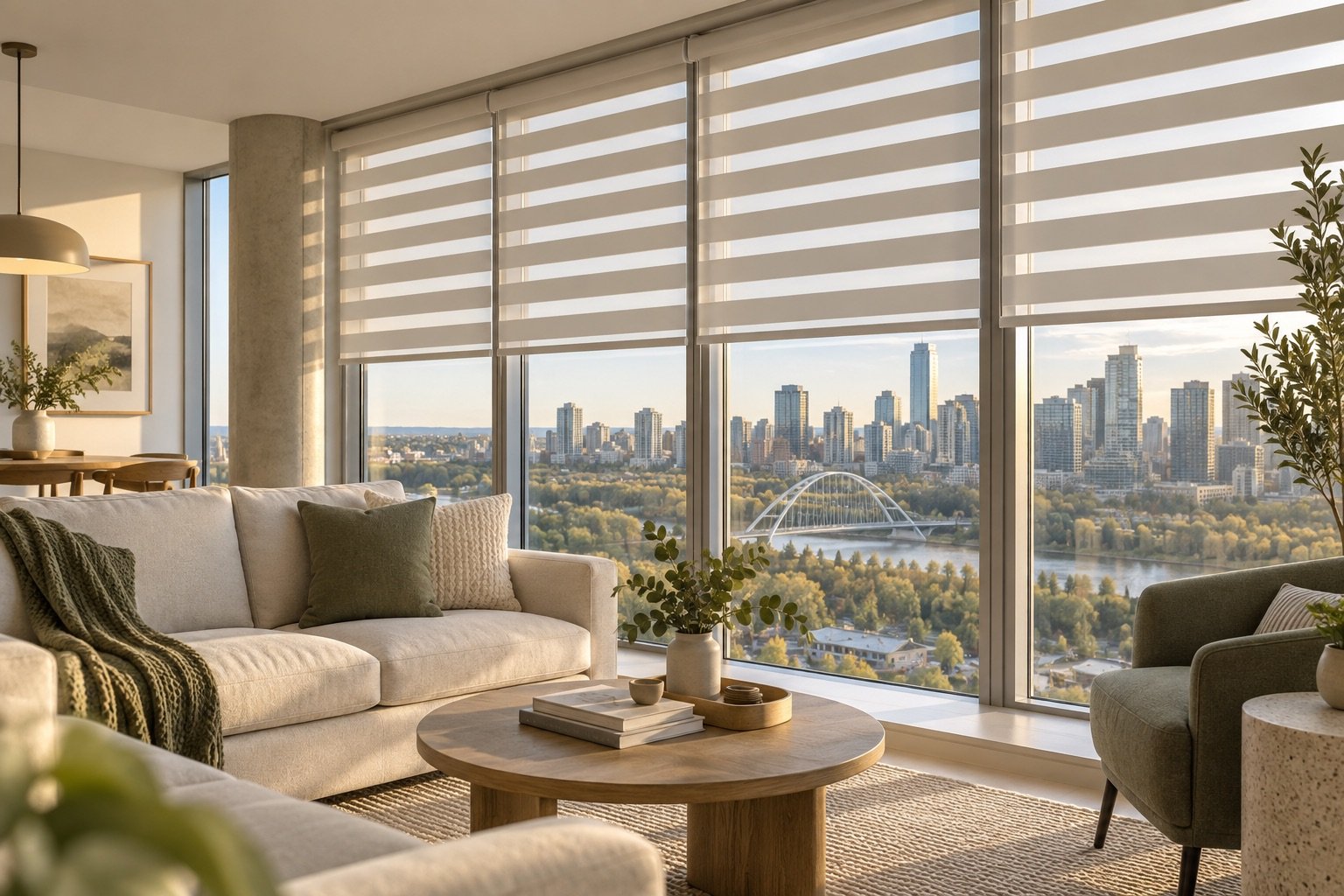
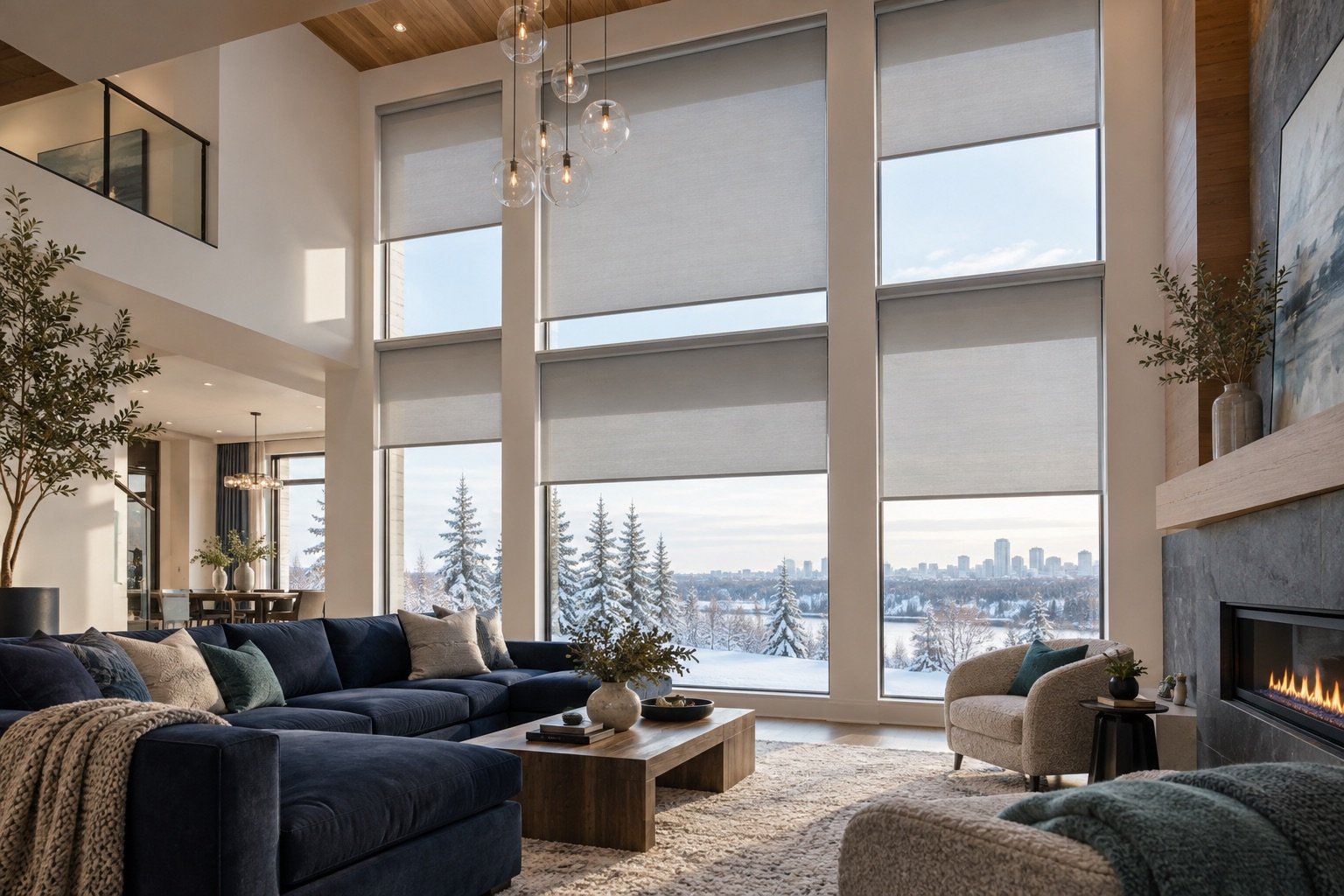
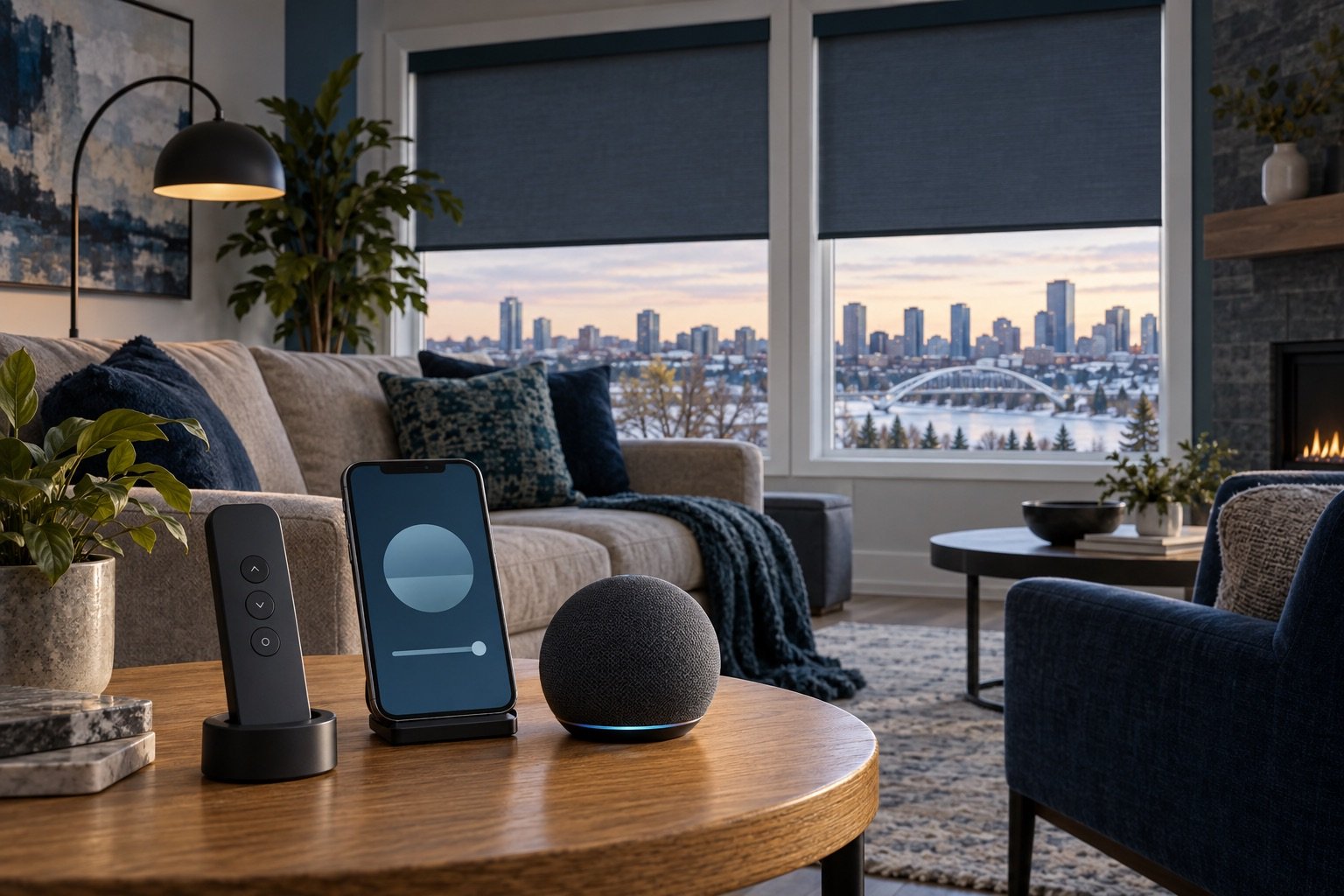
It earns its cost back fastest on windows that are already annoying to operate by hand: tall windows, wide multi-panel walls, anything behind furniture, or anything you'd otherwise need a step stool for. If you have several windows that you'd like to open or close together — a row of windows in one room, for example — grouping them under one motor control turns a multi-step chore into a single button press.
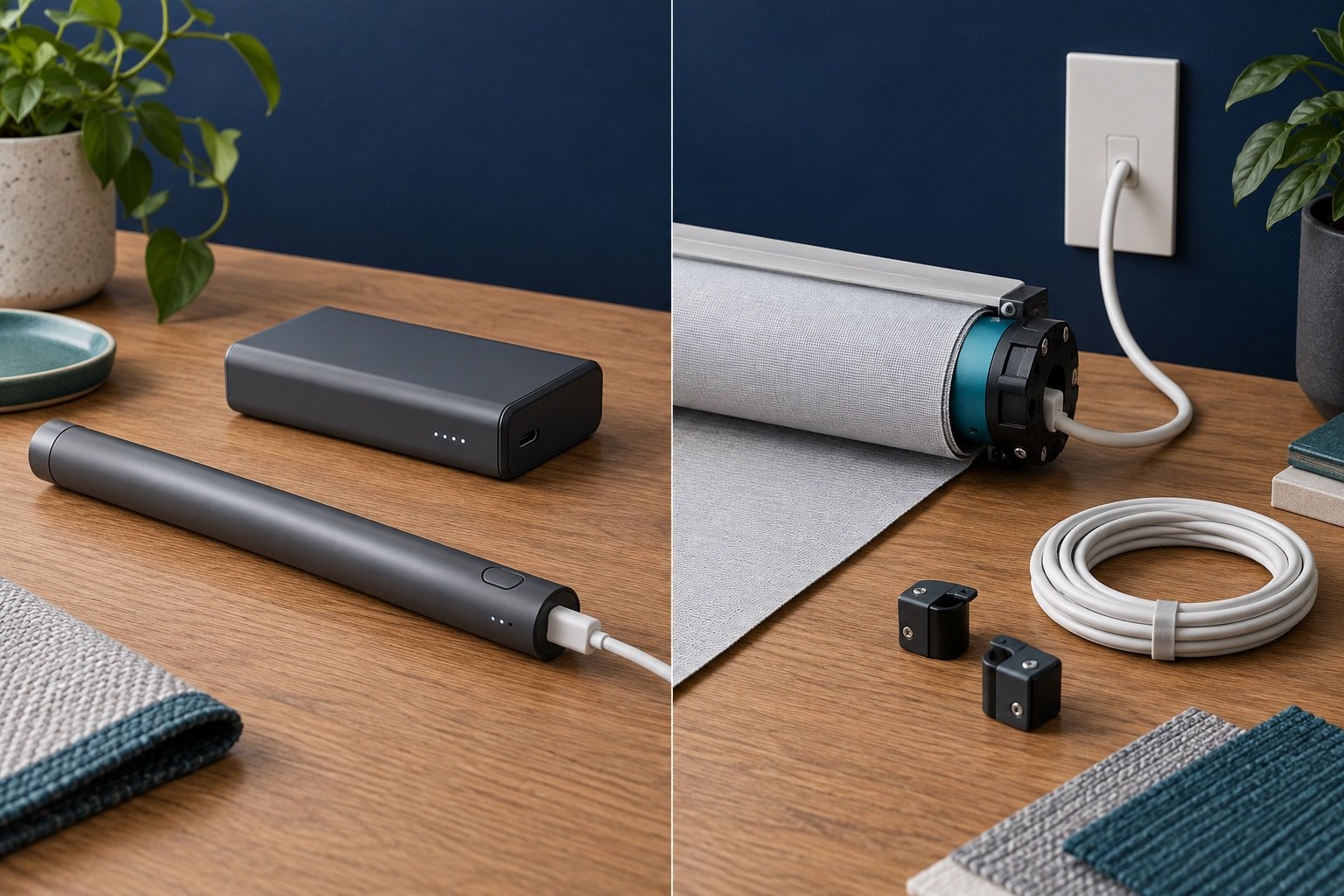
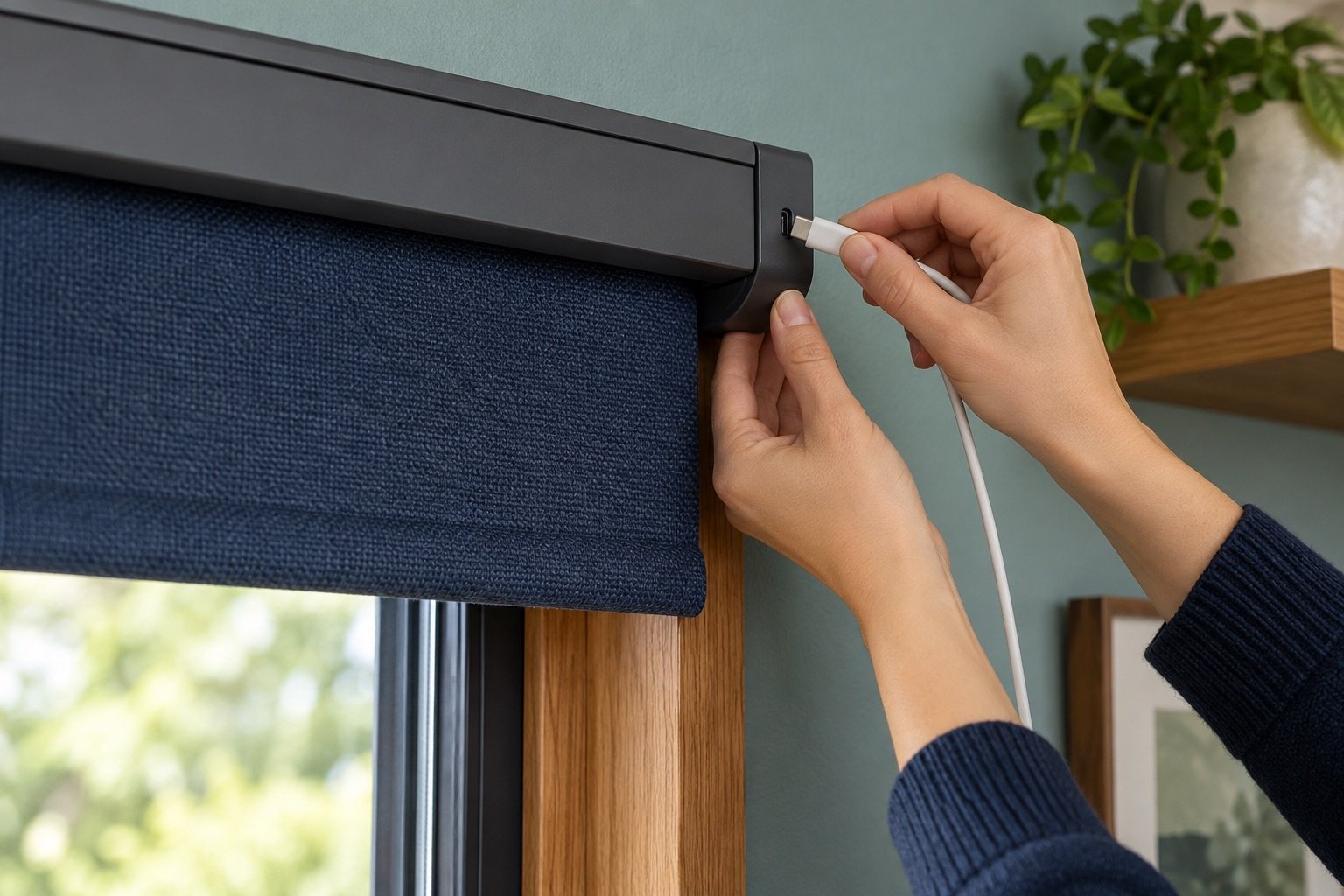
It's a harder case to make on a single, easily reachable window, where a cordless or chain option already does the job for less. Battery life and power source (battery-powered vs. hardwired) are also worth planning for during your consultation, since that decision is easiest to make before installation rather than after.
Our general advice: motorize the windows that currently frustrate you, and keep it simple everywhere else. Ask us about your specific windows and we'll tell you honestly whether it's worth it for your layout.